

Best Places to Buy Cheap Ammo Online Without Sacrificing Quality
Cheap ammo isn’t just a bargain—it’s the same brass, powder, and lead that cycles your firearm, often loaded to identical specs as premium rounds. By skipping fancy packaging and brand markups, you get range-ready firepower for a fraction of the cost, letting you train harder without flinching at your wallet. It works reliably in most pistols and rifles, and buying bulk boxes of budget-friendly loads means you can burn through hundreds of rounds per session. Stop overpaying for a box with a shiny logo—cheap ammo hits the same target, and that’s the only truth that matters.
Why Shooters Look for Budget-Friendly Rounds Without Sacrificing Performance
Shooters hunt for budget-friendly rounds because trigger time drives proficiency, but every shot still needs to hit where it matters. Cheap ammo that groups poorly or cycles unreliably costs more in frustration and wasted range sessions than it saves. The key is balancing price per round with consistent velocity, case dimensions, and bullet weight—quality surplus or bulk remanufactured loads often deliver 90% of premium accuracy for half the cost. Why settle for expensive precision when practice demands volume? That’s the core: you want enough rounds to burn through drills without flinching at the bill, yet each cartridge must still feed, extract, and print tight enough for zeroing and defensive confidence. Q: What’s the fastest way to judge cheap ammo? A: Fire a ten-round group at 25 yards; if it holds under two inches, it’s worth your wallet.
What Actually Determines the Price Tag on a Box of Cartridges
The price tag on a box of cartridges is first determined by the **core material costs**—brass, lead, and propellant powder fluctuate with commodity 6.5×55 Swedish Ammo for Sale markets, making these the bulk of the sticker price. Manufacturing volume matters next: popular calibers like 9mm are stamped in millions, spreading fixed machinery costs thinner, so per-round cost drops, while niche loads stay pricey. Primer type and bullet design—jacketed vs. plain lead—add direct labor and component expenses. Finally, quality control and packaging overhead, though small, nudge the final number upward.
- Brass casing cost (new vs. re-used) is the largest single variable.
- Powder type and charge weight shift price per round significantly.
- Bullet jacket composition (copper vs. bi-metal) directly raises material expense.
- Scale of production for that specific cartridge determines fixed-cost share.
When Spending Less per Round Makes Sense for Your Shooting Goals
Spending less per round makes sense when your primary goal is high-volume practice for foundational mechanics, not precision benchmarking. If you’re burning through hundreds of rounds refining draw speed, trigger control, or target transition, budget-friendly ammunition delivers the repetition necessary to build muscle memory .35 Remington Ammo for Sale without punishing your wallet. Similarly, when plinking or zeroing a red dot at typical self-defense distances—under 15 yards—cheap ammo’s slight accuracy variance becomes irrelevant; your hits stay inside the kill zone. Choose discounted rounds for drills where shot placement tolerances are generous, and reserve premium loads only for load development, long-range shooting, or final defensive ammunition verification. This strategic split lets you maximize trigger time per dollar while keeping performance-critical tasks on high-quality rounds.
How to Spot Quality in Low-Cost Ammunition Before You Buy
When hunting for cheap ammo, start by shaking the box—loose or rattling rounds signal sloppy case sizing. Inspect the primer pocket: it should sit flush, not proud, or you risk light strikes. Run a fingernail over the case mouth; a sharp burr means a potential jam or poor seal. Pick a single round and weigh it against a known-good cartridge—a noticeable drop hints at thin brass or under-filled powder. Check the bullet seating: try to twist it with your fingers; if it moves, you’re buying overpressure risks. Crimp quality matters too; a clean, even roll crimp beats a heavy taper on budget loads. Finally, trust your eyes on the finish—dull, stained cases often come from rushed tumbling, .338 Lapua Ammo for Sale which can hide corrosion. For spotting quality in budget ammunition, these five quick checks take under two minutes and save you from squibs or split casings.
Key Signs of Reliable Brass, Primers, and Bullet Seating in Bargain Boxes
In bargain boxes, reliable brass, primers, and bullet seating reveal themselves through consistent case length and a clean, recessed primer pocket free of corrosion. Check for a uniform, snug primer seating—flush or slightly below the case head, never protruding. Bullet seating should show no visible tilt, crimp rings that are even, and a consistent overall cartridge length when measured https://specialtysportsandsupplyltd.com/ with calipers. Reject rounds with split necks, cracked case mouths, or loose bullets that rotate easily under fingertip pressure. Also, a shiny, polished case head typically indicates fresh manufacturing, not reloaded salvage.
- Inspect primer depth and for any strike marks.
- Measure cartridge length across several samples for uniformity.
- Twist the bullet firmly; any movement signals poor neck tension.
Understanding the Trade-Offs Between New, Remanufactured, and Surplus Rounds
When chasing cheap ammo, understanding the trade-offs between new, remanufactured, and surplus rounds is your real cost-per-round calculator. New factory loads offer the most consistent powder charges and bullet seating, which is critical for defensive use, but they rarely hit the deepest discount tier. Remanufactured rounds, pulled from once-fired brass and rebuilt with fresh primers and projectiles, save you money yet demand you inspect for case mouth cracks or over-flaring—a miss here can turn a bargain into a swollen chamber or Ammunition for Sale a squib that strands your slide forward. Surplus military ammo, often corrosive-primed, delivers vintage reliability but requires immediate bore cleaning after every session to prevent rust pitting. For range plinking, remanufactured wins on price; for reserve stock, surplus wins on ruggedness; for zeroing optics, new wins on precision. The critical evaluation of remanufactured versus surplus headstamps separates a smart buy from a jam-prone headache.
Q: How do I decide between remanufactured and surplus rounds for a budget range day?
A: Check the lot’s brass condition first—remanufactured should feel smooth and springy at the neck; surplus should show clean primer pockets and no green corrosion. If you value consistency over grit, pick remanufactured; if you want maximum rounds per dollar and don’t mind tap-racking a few duds, surplus is your play.
Practical Ways to Find the Lowest Prices on Bulk Purchases
To crack the lowest prices on bulk ammo, stop checking big-box retailers first and instead use ammo-search engines like AmmoSeek or WikiArms, which aggregate live per-round costs across dozens of vendors. Stack that with **casing-type filtering**—steel-case or aluminum rounds often drop 20–30% below brass on bulk orders, though check if your range allows them. **Subscribe to retailer email lists** for flash sales and discount codes, but only buy when the price-per-round (PPR) dips below your tracked baseline, which you can log in a simple spreadsheet. Buy in the 500–1,000 round tier, as shipping fees hit hardest on smaller orders, and always split large shipments with a shooting buddy to halve freight costs. Surprisingly, the “free shipping” threshold often hides the real savings, so calculate total cost—including taxes—not just the sticker price. Finally, set price alerts on your preferred caliber and pounce immediately, as bulk deals vanish within hours.
Buying by the Case vs. the Box: Where the Real Savings Kick In

The real price break in cheap ammo appears when you step up from individual boxes to full cases. Retailers mark up boxes to cover handling costs, while case-level bulk pricing strips away that per-unit overhead, often shaving 10–20% off your total. A case of 500 or 1,000 rounds spreads shipping and packaging across far more cartridges, and you lock in today’s low rate instead of chasing future spikes. Mixing brands or calibers within a case rarely saves—stick to one load to maximize the discount. Once you consistently shoot past five boxes a month, .32 ACP Ammo for Sale cases become the obvious financial move.
Buying by the case, not the box, is where bulk ammo savings actually materialize—lower per-round cost, reduced shipping impact, and price stability.
Using Ammo Search Tools and Price Trackers to Score Deals Instantly
To score deals instantly, aggregate ammo search engines like AmmoSeek or WikiArms scan dozens of retailers simultaneously, filtering by caliber and price per round. Set a **price tracker alert** 6.5x57mm Mauser Ammo for Sale on your target cartridge; these tools notify you the moment a listing drops below your threshold, eliminating manual refreshes. Use filters for shipping costs and stock status to avoid inflated totals, and check scrape timestamps to confirm live pricing. For bulk cases, sort by “price per round” rather than absolute cost, then cross-reference the seller’s rating before checkout. A tracker’s historical price graph reveals cyclical lows, letting you time your purchase for immediate savings.

Making Every Cheap Cartridge Count: Accuracy and Storage Tips

Cheap ammo punishes sloppy habits, so I treat every box like a puzzle. I sort batches by headstamp and bullet weight, because a five-cent difference in consistency often shows up as flyers at fifty yards. Before shooting, I wipe each round with a dry cloth—grime and loose powder can shift seating depth, and that costs you the one tight group that makes budget brass feel premium. For storage, I avoid ammo cans with foam; it traps humidity and corrodes primers faster than you’d think. Instead, I use desiccant packs in sealed plastic jars, rotated every few months, and I keep my shooting stash separate from hunting stock to avoid age-related pressure spikes. Shooting cold-barrel groups first reveals what cheap ammo truly does, before heat opens the spread. Tracking zero with the same lot number prevents surprise point-of-impact shifts. That one ragged hole you chase isn’t the bullet’s fault—it’s your failure to cull the duds before they hit the target.
How to Test Different Budget Loads to Find What Your Firearm Likes

Grab a few budget boxes from different brands—say, three or four—and shoot three five-shot groups with each from a rested bag at fifty yards. Mark each target with the load name and let the barrel cool between strings so heat doesn’t lie to you. Measure the groups; the tightest average wins. Repeat at one hundred yards to confirm, because a load that shines close can fall apart downrange. Consistency beats one lucky hole, so test on a calm day and keep your optic zero locked. Finding your firearm’s preferred cheap load is a cheap paper-and-pen experiment, .32 Win Special Ammo for Sale not a science project.
Buy small samples, shoot rested groups, compare averages, and stick with the budget round that prints tightest twice in a row.
Proper Storage Methods to Keep Discount Rounds Reliable for Years
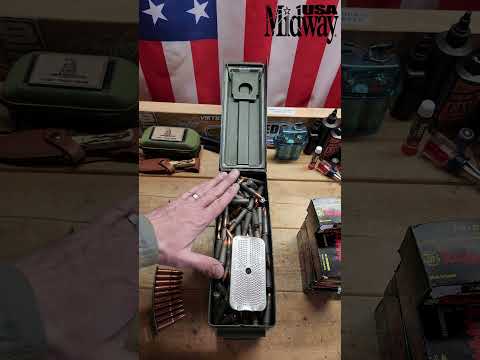
To keep discount rounds reliable for years, prioritize a stable, low-humidity environment above all else. Store ammunition in airtight, military-style ammo cans with rubber gaskets, adding desiccant packets to absorb residual moisture. Keep the cans off concrete floors, where temperature swings cause condensation, and place them on wooden shelving in a cool, dark closet. Avoid temperature extremes, as cycling heat can degrade powder and primers, while UV light breaks down cartridge plastic or lacquer. Rotate stock annually, shooting older lots first, and inspect for corrosion or tarnishing before use. Do not oil rounds directly; a thin rust-preventative film on the can interior is sufficient.
Q: What is the single most critical factor for long-term storage of cheap ammo?
A: Sustained low relative humidity—ideally below 50%—is critical. Without moisture control, primers and cases corrode, and powder degrades, causing misfires or pressure inconsistencies.
Common Mistakes New Shooters Make When Buying Affordable Ammunition
When hunting for cheap ammo, new shooters often grab the lowest price per round without checking if it’s actually compatible with their firearm’s twist rate or barrel length. A huge mistake is buying steel-cased affordable ammunition for a gun that prefers brass, leading to stuck cases and frustrating malfunctions that cost more time than money saved. Another blunder is ignoring the bullet grain weight—switching from 115 to 147 grain without testing can wreck your accuracy and make you blame yourself, not the load. Finally, don’t stockpile a random brand just because it’s on sale. Always buy a small box first to test for reliability and point-of-impact shifts before committing to a bulk case of cheap ammo.
Why Chasing the Absolute Lowest Price Can Hurt Your Gun or Your Accuracy
Grab a bargain-priced box of ammo and you might save a few bucks, but chasing the absolute lowest price often means feeding your firearm inconsistent powder charges and poorly seated bullets. That cost-cutting can translate into erratic pressure spikes, leading to premature fouling or even a stuck case in your chamber. Accuracy suffers worst: one round may group tightly, while the next tumbles wide, destroying your confidence at the range and teaching you bad flinching habits. Worse, substandard brass can split or fail to extract, damaging your extractor. Over time, the cheapest rounds can accelerate throat erosion or batter your bolt face, turning a minor savings into an expensive gunsmith bill. Your gun deserves reliable, consistent ammunition—not just the lowest sticker shock.
Lowest price = risky performance: erratic pressures, poor accuracy, and potential mechanical damage far outweigh the pennies saved.

Matching the Right Bullet Weight and Type to Your Specific Firearm
Grabbing the cheapest box on the shelf often means ignoring what your barrel actually wants. Every firearm has a twist rate and magazine geometry that favors a specific bullet weight for reliable feeding and acceptable accuracy. A 55-grain load might keyhole out of a 1:7 twist AR, while a 62-grain penetrator could jam in a tight pistol. Before you bulk-buy bargain rounds, check your owner’s manual or test a few boxed weights at the range to see which cycles cleanly and prints a decent group. Matching bullet weight to your firearm’s twist rate saves you from wasted trips and frustrating failures.
Question: Should I buy the lightest cheap ammo for my rifle?
Not necessarily—a light bullet in a fast-twist barrel can spin apart or group terribly, even if it’s dirt cheap. Test 55-grain versus 62-grain first; your gun will tell you.
Frequently Asked Questions About Cost-Effective Rounds for Practice
Regarding frequently asked questions about cost-effective rounds for practice, the primary concern is whether cheap ammo harms your firearm. Most budget-friendly options, like steel-cased or remanufactured loads, are safe for routine use, though they may leave more residue and require slightly more frequent cleaning. Another common question 6.5x57R Ammo for Sale asks if cheap ammo affects accuracy. For close-to-mid range practice, the difference is minimal; you are refining grip, trigger control, and sight alignment, not chasing sub-MOA groups. Shooters also ask whether to buy in bulk. Yes, purchasing a case of cheap ammo saves money per round, but verify the lot number if you experience malfunctions, as a single bad batch can be returned or swapped. Finally, always confirm your specific firearm’s warranty doesn’t restrict steel-case use before stocking up.
Can You Trust Cheap Ammo for Self-Defense, or Is It Only for the Range?
For self-defense, cheap ammo reliability hinges on function, not just price. Budget rounds often use harder primers or inconsistent powder charges, which can cause light strikes or weak cycling in a compact carry pistol; that’s acceptable at the range where you can clear malfunctions, but lethal in a crisis. Test a few hundred defensive loads from the same lot in your actual firearm, checking for primer indentation and slide lock-back. If they feed, fire, and eject flawlessly across multiple magazines, they may suffice. Yet, cheap hollow points can fail to expand through 6.8 SPC Ammo for Sale heavy clothing, turning a defensive round into a deep-penetrating FMJ. Reserve your cheapest stock for practice and carry premium hollow points only after verifying they match your gun’s recoil spring behavior.
Trust cheap ammo for self-defense only after rigorous function tests in your carry gun; otherwise, reserve it solely for range practice.
How Much Money Can You Actually Save by Switching to Budget-Friendly Loads
Switching to budget-friendly loads typically cuts your per-round cost by 40–60%—for example, from $0.50 to $0.22 for 9mm. If you shoot 200 rounds weekly, that difference saves roughly $56 per session, or about $2,900 annually. With .223 Remington, the gap can reach $0.35 per round, translating to $700 saved per 1,000 rounds. Even premium pistols run fine on these loads, so you preserve firearm longevity while redirecting funds toward higher training volume for the same money. The savings compound fastest for high-volume calibers like 9mm and 5.56, where price-per-round differences are steepest.
Expect to retain $500–$3,000 per year, depending on your caliber and monthly round count, by simply switching to budget-friendly practice ammunition.
