

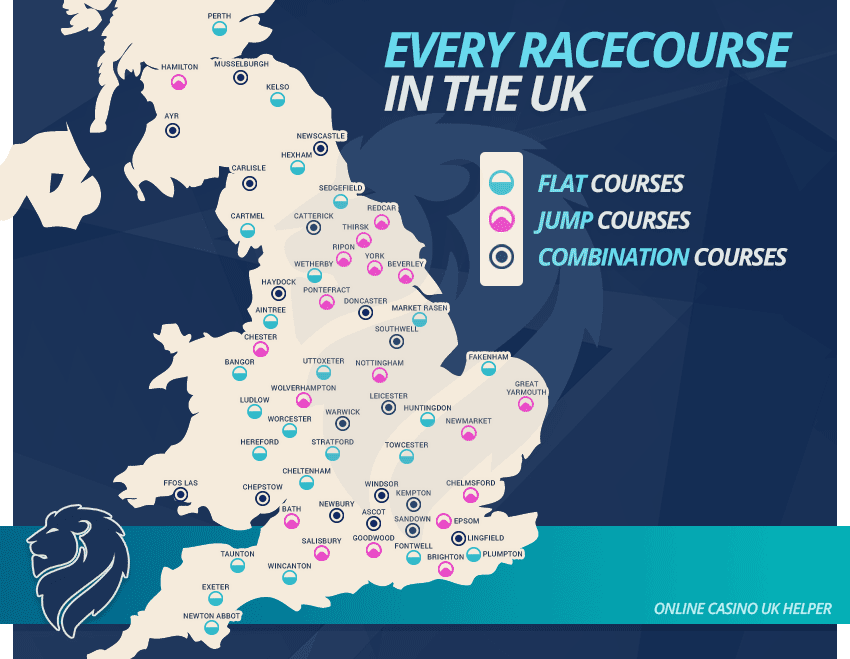
Horse racing in the UK is not just a sport; it’s a tradition that spans centuries, deeply embedded in British culture and society. However, there are moments when races are not on, whether due to unforeseen circumstances like extreme weather, regulatory issues, or the global situation affecting public gatherings. Understanding the implications of these pauses in racing can offer insights into the broader effects on the industry and its stakeholders. Additionally, for those looking to continue their betting experiences during these times, there are UK horse racing not on GamStop horse betting sites not on GamStop that provide alternative wagering opportunities.
The Tradition and Importance of Horse Racing in the UK
Horse racing has a rich history in the UK, dating back to the Roman times and evolving into a highly organized sport over the centuries. It draws millions of fans each year, from those who attend iconic events like The Grand National and Royal Ascot to casual viewers enjoying races from home. The economic impact is substantial, generating revenue through betting, tourism, and employment opportunities associated with the racing industry.
When Horse Racing is Not On: Reasons and Consequences
Races in the UK may be canceled or postponed for various reasons. Severe weather, such as heavy rains or snow, can render tracks unsafe. Other times, issues such as horse welfare, public health concerns, or regulatory breaches can lead to cancellations. Regardless of the reason, the absence of scheduled races has far-reaching implications.

Economic Impact
The financial ramifications of canceled races can be significant. Bookmakers, vendors at tracks, and local businesses that thrive on race day traffic, such as hotels and restaurants, face immediate losses. Additionally, the racing industry itself suffers from dips in betting activity and reduced revenue generation during inactive days.
Betting Landscape Changes
For avid fans of horse racing, the absence of races creates a gap in betting opportunities. Bettors typically rely on daily races for entertainment and financial engagement. Without races, many turn to alternative betting sites or other sports to fill the void. This shift underscores the need for comprehensive betting options that extend beyond traditional racing formats.
Fan Engagement and Loyalty
Fan engagement relies on consistent and exciting racing schedules. When races are repeatedly canceled, fans may become disengaged or frustrated, leading to a potential decline in interest in the sport overall. Racecourses and organizations must develop strategies to maintain interest, whether through virtual events, exclusive content, or engaging social media campaigns.
Alternatives to Horse Racing
During periods when horse racing is not taking place, many fans and bettors look for alternative options. Sports betting on soccer, basketball, or even esports has surged in popularity. Innovative betting sites have emerged, offering new experiences for consumers, including live betting and virtual racing simulations that mimic real race dynamics.
Virtual Racing and Gaming
Virtual racing has become a notable alternative during downtime in real racing events. These computer-generated races can be enjoyed in real-time and often replicate the betting experience similar to conventional horse races. Moreover, the integration of advanced technologies like VR (Virtual Reality) in gaming presents an engaging way for fans to interact with their passion even in off-seasons.
Importance of Responsible Betting
While options for betting abound outside traditional horse racing, it’s crucial for bettors to engage responsibly. Choosing platforms that promote responsible gaming practices is essential. This is especially pertinent for those exploring horse betting sites not on GamStop, which may cater to individuals looking for an alternative route. Staying informed and making educated choices is paramount to ensuring a positive betting experience.
Conclusion
In summary, the times when UK horse racing is not on have meaningful implications across the board. From economic impacts on local businesses to changes in fan engagement and betting patterns, the consequences ripple through the industry. Equally important is the need for a robust support system for racing’s loyal fan base during these downtimes. As enthusiasts navigate alternative betting routes and stay engaged with innovative gaming options, the hope remains that horse racing will continue to thrive and evolve, even when circumstances temporarily halt its lively pace.
