

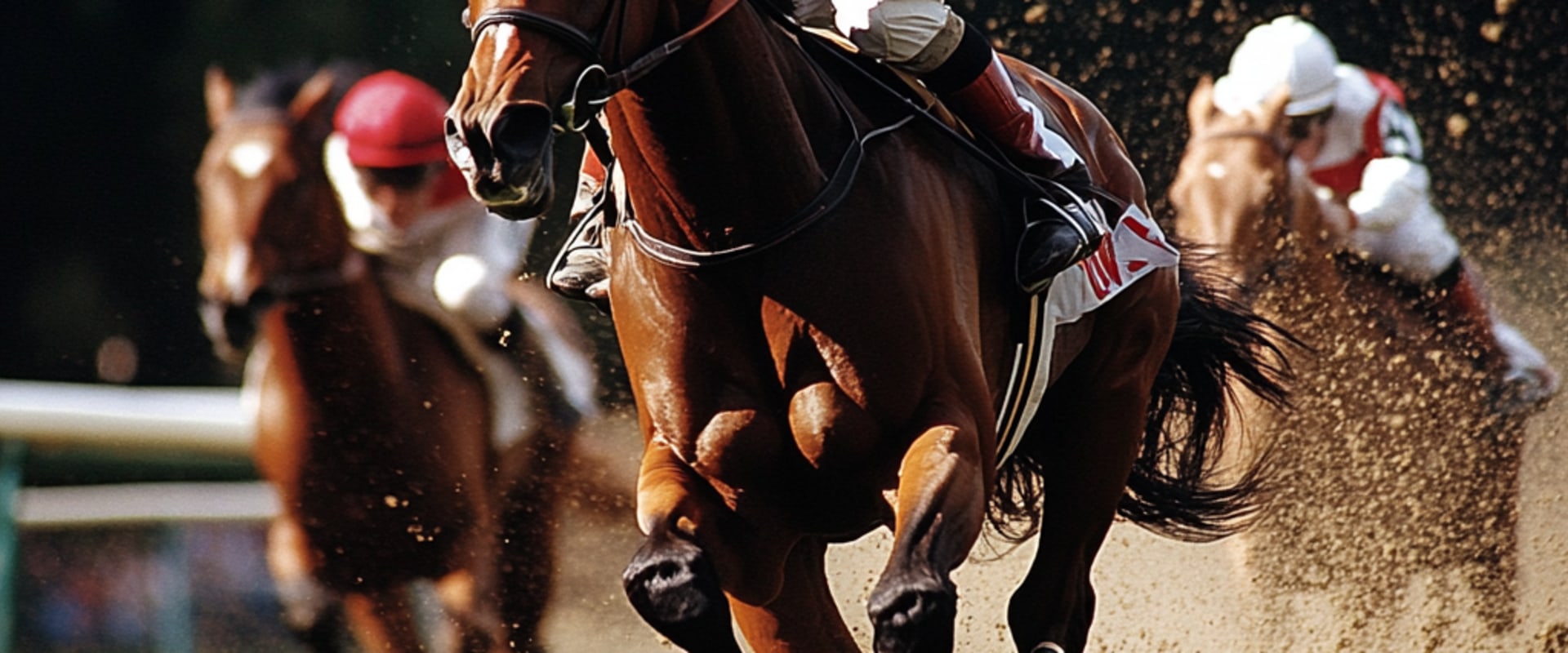
The world of UK horse racing, a sport steeped in tradition and history, has faced numerous challenges in recent years. The phrase ‘UK Horse Racing Not on’ has echoed throughout the racing community due to factors such as the pandemic, economic pressures, and changing regulations. UK Horse Racing Not on GamStop fed-cornishchoirs.org.uk This article delves into the current state of UK horse racing, examining the issues it faces and what the future might hold.
Historical Context
Horse racing in the UK dates back centuries, with its roots found in ancient civilizations. Over the years, the sport has evolved, attracting millions of fans and significant national and international investment. Events such as the Grand National and Royal Ascot are not just races; they are cultural phenomena that contribute to the rich tapestry of British life.
The Impact of the Pandemic
The COVID-19 pandemic brought the world to a standstill, and horse racing was no exception. Initially, all racing events were suspended, leading to unprecedented financial losses for owners, trainers, and the wider racing community. Even after racing resumed, it was under strict health and safety restrictions, significantly affecting attendance and betting revenue. This phase led to a growing concern regarding the future sustainability of the sport as familiar traditions were disrupted.
Economic Pressures
Economic challenges have compounded issues faced by the racing industry. High operational costs, fluctuating horse ownership levels, and changes in betting habits have all contributed to the strife. Additionally, horse racing heavily relies on gambling income, which saw a decrease during the pandemic’s peak. As fans return to the tracks, concerns regarding the economic viability of maintaining such a high standard of racing have emerged.

Regulatory Changes
In response to the evolving situation, regulatory bodies have implemented new standards and guidelines that impact racing operations. These changes, while aimed at improving safety and integrity, have also sparked debate among stakeholders. The introduction of more stringent regulations around horse welfare, betting practices, and transparency has led to further complexities in an already challenging environment.
Community and Cultural Impact
The halt of horse racing has resonated beyond the racetracks; it has had a ripple effect on the wider community. Many local economies depend on the influx of visitors during race days, benefitting hotels, restaurants, and local vendors. The cultural impact is equally significant, as horse racing has been a cornerstone of British tradition, influencing everything from fashion to social gatherings.
Future Prospects
Looking ahead, the future of horse racing in the UK is a topic of considerable debate. Stakeholders are rethinking strategies to engage a new generation of fans while revitalizing interest among traditional audiences. Innovations such as digital betting platforms, virtual racing events, and enhanced experience offerings at racecourses are being explored to adapt to the changing landscape.
Conclusion
The phrase ‘UK Horse Racing Not on’ encapsulates the numerous challenges faced by the industry today. However, amidst adversity, there lies an opportunity for growth and transformation. By embracing change and re-evaluating how horse racing is presented to the public, the sport can regain its rightful place in British culture, celebrating both its storied past and promising future.
